
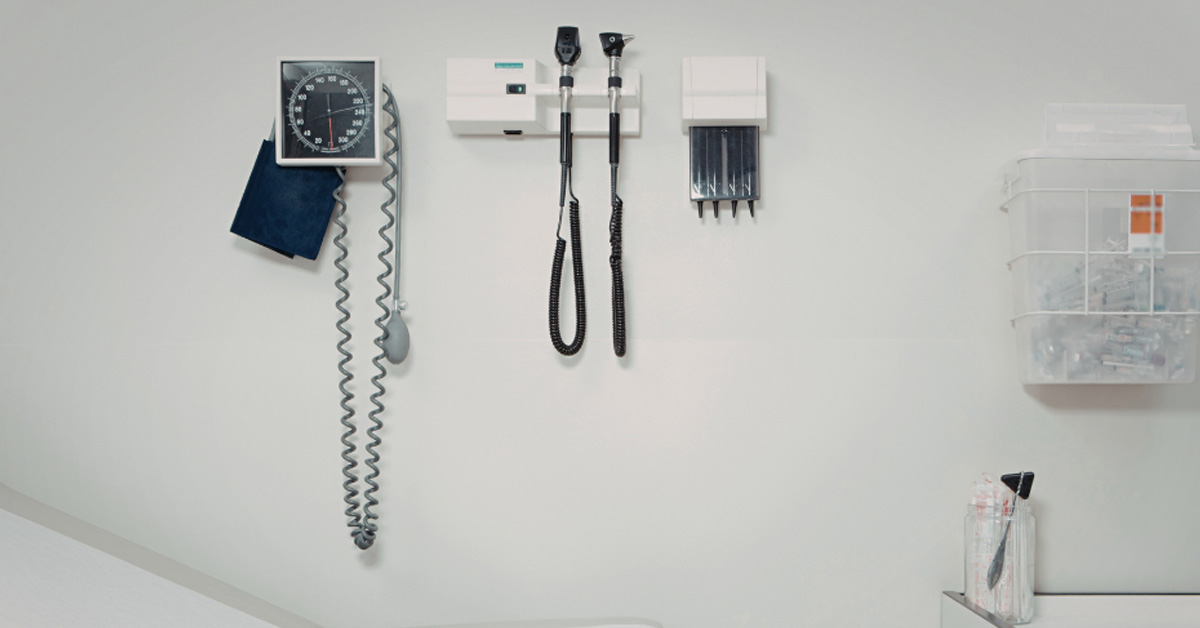
What Is Medical Trauma?
Medical trauma refers to the emotional and physiological distress that can develop after difficult, painful, or overwhelming healthcare experiences.
Clinically, it can share features with post-traumatic stress, where the body and mind continue to react as if the threat is still present. Medical trauma can affect both children and adults, often making future medical care feel unsafe and disrupting daily life, relationships, and overall well-being.
Common Medical Trauma Symptoms
People with medical trauma may experience a range of symptoms, including:
- Intrusive memories or flashbacks of past medical experiences
- Heightened anxiety or panic in healthcare settings (e.g., doctor visits, procedures)
- Avoidance of medical care, appointments, or reminders of past events
- Increased physical symptoms such as rapid heart rate, nausea, or dizziness when triggered
- Symptoms that worsen with stress, illness, or upcoming medical appointments
Living with medical trauma often means anticipating and trying to avoid experiences with healthcare, which can make it difficult to attend appointments or follow through with treatment. Individuals may feel constantly on edge, scanning for signs of danger or distress, even in safe environments. This can lead to frustration, fear, or feeling out of control, especially when medical care is necessary. Over time, patterns of avoidance and heightened awareness can reinforce the cycle, reflecting the strong connection between the mind and body. reflects a powerful mind-body connection, where fear of the symptoms can make the body even more reactive..
How a Health Psychologist Can Help
Health psychology offers evidence-based approaches to help individuals with medical trauma understand and regulate the mind-body responses that drive symptoms. Treatment focuses on building a sense of safety, reducing anxiety, and improving the ability to engage in necessary medical care, ultimately supporting better functioning and quality of life.
Cognitive Behavioral Therapy (CBT) for Medical Trauma
Cognitive Behavioral Therapy (CBT) helps patients understand and change the patterns that can trigger medical trauma symptoms, and works to ameliorate them. CBT for medical trauma focuses on:
- Reducing conditioned fear responses to medical settings, procedures, or bodily sensations
- Identifying and restructuring trauma-related beliefs (e.g., “I’m not safe,” “I have no control,” “something will go wrong”)
- Gradually approaching avoided medical situations through paced, supported exposure
- Reducing safety behaviors (e.g., avoidance, excessive reassurance-seeking, hypervigilance) that maintain fear
- Improving coping skills for managing distress before, during, and after medical experiences
- Supporting a sense of predictability, choice, and control in healthcare interactions
CBT helps change how the brain interprets and responds to perceived threats – leading to meaningful improvements in symptoms and quality of life.
Hypnotherapy for Medical Trauma
Hypnotherapy may be a supportive adjunct for relaxation and anxiety management. It uses guided imagery and focused attention to support changes in emotional and physiological responses by:
- Promoting deep relaxation and enhancing a felt sense of safety in the body
- Reducing physiological reactivity to trauma-related cues (e.g., medical settings, procedures, or sensations)
- Supporting desensitization to triggers through gradual, controlled mental rehearsal
- Strengthening adaptive coping responses for upcoming medical experiences
- Enhancing a sense of control, choice, and confidence during healthcare interactions
This approach helps the nervous system settle into a more regulated and balanced state, allowing individuals to engage more comfortably with care. Hypnotherapy can be beneficial for children, adolescents, and adults with medical trauma.
A Compassionate, Collaborative Path Forward
Living with medical trauma is a real and deeply personal experience. The reactions you or your child may have are not a sign of weakness, but a reflection of how the brain and body have learned to protect against past distress. With the right support, it is possible to rebuild a sense of safety, regain control, and return to important aspects of life through a mind-body approach to care.
If you or your child are living with medical trauma symptoms, evidence-based psychological care may be a powerful next step toward relief.
Appointments are available nationwide via telehealth. Contact us or request a free 15-minute initial phone consultation to learn how health psychology can help you move forward with confidence.