
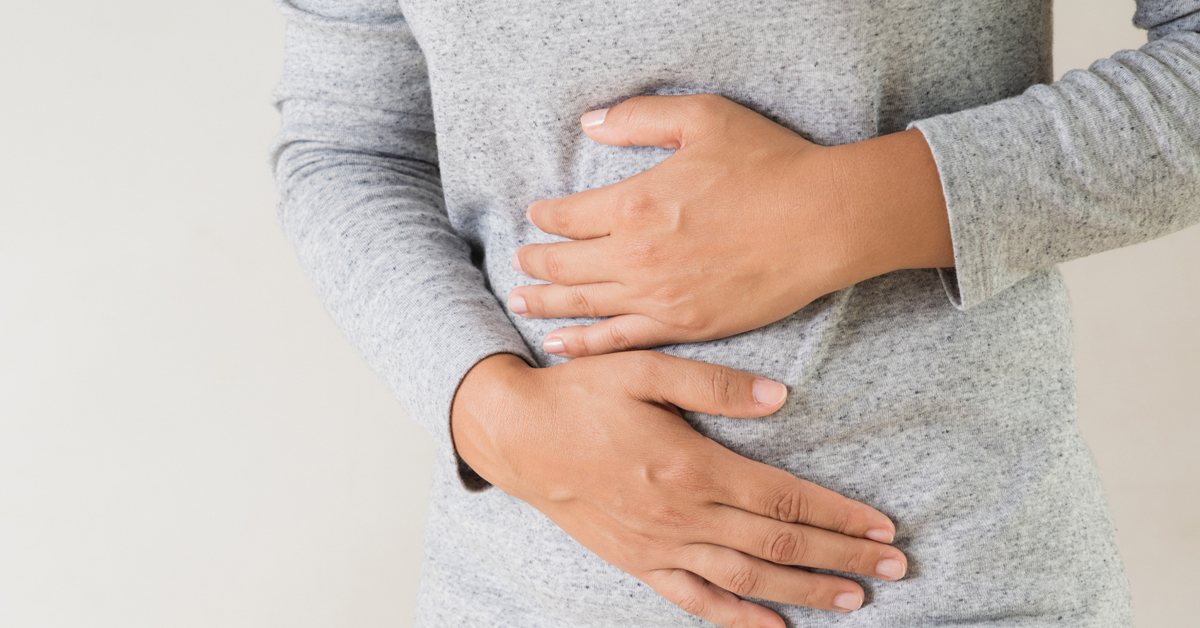
What is Gastroparesis?
Gastroparesis is a condition characterized by delayed emptying of food from the stomach into the small intestine in the absence of a mechanical obstruction. This delayed stomach emptying can interfere with digestion and lead to uncomfortable symptoms that affect eating, nutrition, daily routines, school, work, and overall quality of life.
Common Gastroparesis Symptoms
Gastroparesis symptoms can vary from person to person and may fluctuate over time. Common symptoms include:
- Nausea and occasional vomiting, especially after meals
- Feeling full very quickly (early satiety), even after eating a small amount
- Bloating or a sensation of stomach fullness
- Upper abdominal pain or discomfort
- Acid reflux, heartburn, or regurgitation
- Loss of appetite
- Weight loss and signs of malnutrition
- Symptoms that become worse after larger meals, high-fat or high-fiber foods, or or during periods of increased physical or emotional stress
Living with gastroparesis often means carefully planning meals and daily activities around symptoms. Many people avoid certain foods, worry about eating away from home, or feel anxious about symptoms occurring unexpectedly. Over time, it is common to become highly aware of stomach sensations or to anticipate symptoms before meals, creating a cycle of stress and physical discomfort. This ongoing interaction between the digestive system and the nervous system highlights the importance of the gut–brain connection.
How a GI Psychologist Can Help
GI Psychology offers evidence-based treatments that help people better manage the challenges of living with gastroparesis. Rather than suggesting symptoms are “all in your head,” treatment addresses the gut–brain connection—the constant communication between the digestive system and the brain.
By learning practical skills to reduce stress, respond differently to symptoms, and build confidence around eating and daily activities, many experience improvements in symptom coping, reduced symptom-related distress, improved daily functioning, and better quality of life.
Cognitive Behavioral Therapy (CBT) for Gastroparesis
GI-focused Cognitive Behavioral Therapy (CBT) helps patients understand and change the patterns that can worsen gastroparesis symptoms. CBT for gastroparesis focuses on:
- Reducing symptom-related anxiety and fear
- Identifying thought patterns that amplify discomfort
- Managing stress and emotional triggers linked to symptom flare-ups
- Building coping strategies to regain confidence and control
CBT helps patients change how the brain interprets and responds to digestive sensations, which can reduce symptom-related distress, improve coping, and, for many individuals, lessen the impact of symptoms on daily life.
Gut-Directed Hypnotherapy for Gastroparesis
Gut-directed hypnotherapy is a promising evidence-informed treatment that helps individuals experiencing gastroparesis manage nausea, symptom-related anxiety, and the impact of symptoms on daily life.. It uses guided imagery and focused attention to uses guided imagery and focused attention to influence the way the brain and digestive system communicate, helping reduce symptom-related distress and improve regulation of gut–brain interactions by:
- Calming the gut–brain communication pathway to reduce discomfort and sensitivity
- Reducing visceral hypersensitivity
- Reducing nausea and the body’s learned anticipatory response to eating or symptoms
- Decreasing the frequency and severity of symptoms
- Improving predictability around meals and daily routines
- Increasing confidence in managing symptoms
This therapy aims to promote nervous system regulation, helping reduce symptom-related distress and support more confident engagement in daily activities. Gut-directed hypnotherapy is effective for children, adolescents, and adults with gastroparesis.
A Compassionate, Collaborative Path Forward
Living with gastroparesis can be physically and emotionally exhausting, and your experience is real, complex, and unique. With the right support, it is possible to regain confidence, participate more fully in everyday activities, and improve your quality of life. A mind–body approach that addresses the influence of the gut–brain interaction on digestive function can be an important part of comprehensive care.
If you or your child are living with Gastroparesis symptoms, evidence-based psychological care may be a powerful next step toward toward improving symptom management and quality of life.
Appointments are available nationwide via telehealth. Contact us or request a free 15-minute initial phone consultation to learn how treatment can help you move forward with confidence.