

Ali Navidi, PsyD1, Ellen Joseph, PhD1, Ayesha Williams, MPA2, Mary Harkins-Schwarz, MPH2, Catherine Soto, MPA2, J.L. Culbreth, BS1, & Tiffany Duffing, PhD1
1GI Psychology, PLLC, 2Crohn’s & Colitis Foundation

Introduction
- Roughly a quarter to a third of patients with IBD experience symptoms of anxiety or depression; posttraumatic stress symptoms related to medical experiences are also common.1,2
- Nearly 40% of patients with IBD report IBS-type symptoms, which are associated with psychological comorbidity, reduced quality of life, and greater health care use.3,4
- Psychotherapy, particularly Cognitive Behavioral Therapy (CBT), can improve quality of life in IBD,5 and gut-directed hypnotherapy (GDH) has been shown to prolong remission in ulcerative colitis.6 Access is limited, with only 26% of patients reporting available emotional support where they receive IBD care.7
- To our knowledge, a structured group model integrating CBT for gastrointestinal disorders (CBT-GI) and GDH has not been evaluated in patients with IBD.8
- Aims: (1) Evaluate the feasibility and acceptability of an 8-week telehealth group integrating CBT-GI and GDH for adults with IBD; (2) examine preliminary changes in patient-reported psychological and IBD-specific outcomes.
Methods
- Design: Single group pre-post test design. Conducted in partnership with the Crohn’s & Colitis Foundation; approved by Northstar Review Board (protocol NB500280). Three cohorts; data cutoff August 1, 2026.
- Participants: Adults (18+) with Crohn’s disease or ulcerative colitis, referred by providers or self-referred. Eligibility was confirmed by phone consultation. Exclusions: serious mental illness, disordered eating, suicidality, substance use, or planned hospitalization.
- Intervention: Eight weekly 75-minute self-pay telehealth group sessions (up to 10 participants), with integrated CBT-GI and “gut-directed” hypnotherapy, led by a licensed clinician specializing in GI psychology (Figure 1).
- Measures (baseline and week 8): IBD-Control-8, PROMIS Global Health, PHQ-8, GAD-7, Self-Compassion Scale–Short Form, and 4 internalized stigma items adapted from I-HEARTS (0–16). CSQ-4 at week 8 only. Feasibility was assessed through recruitment, attendance, retention, and satisfaction.
- Analysis: Paired t-tests with Cohen’s d and Wilcoxon signed-rank tests as a sensitivity analysis. Analyses included participants with both time points.
Figure 1. Session Structure
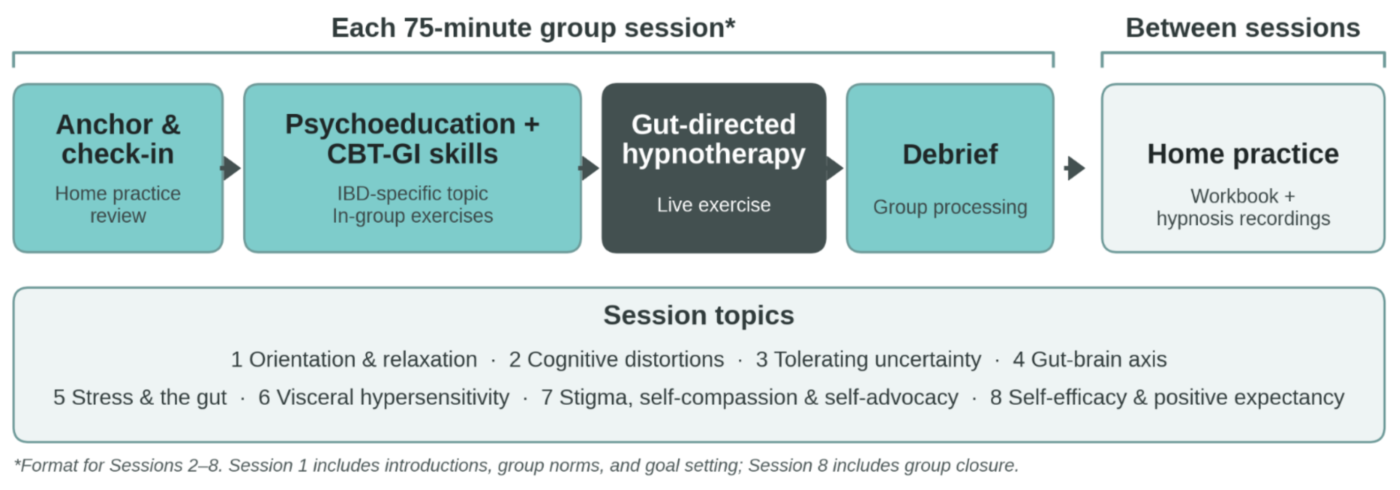
Table 1. Participant Characteristics (n=17)
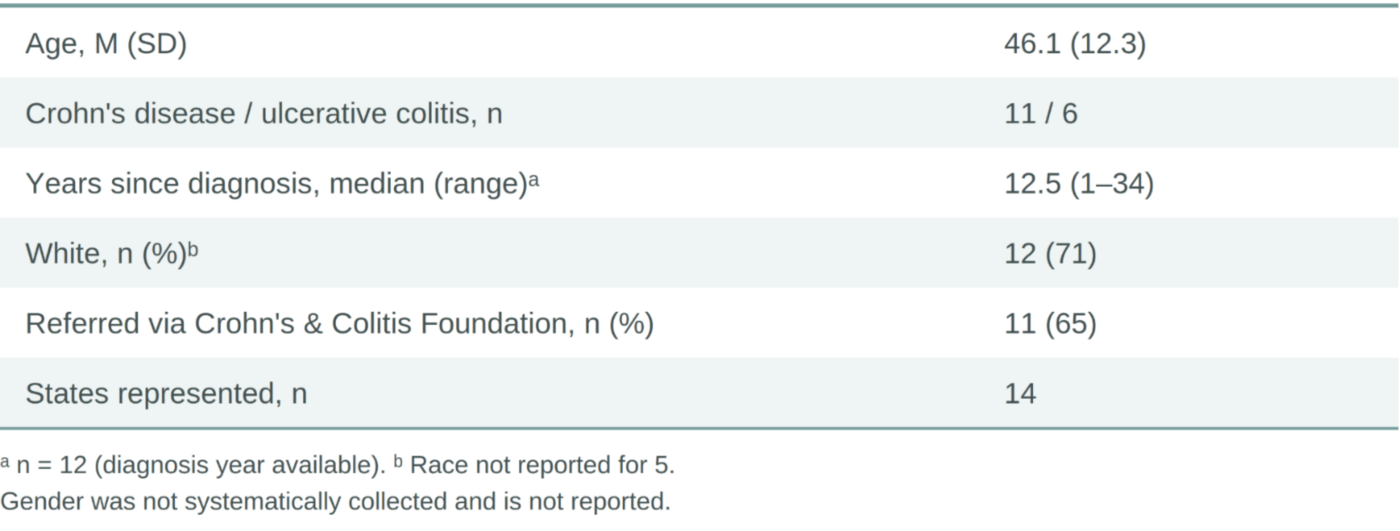
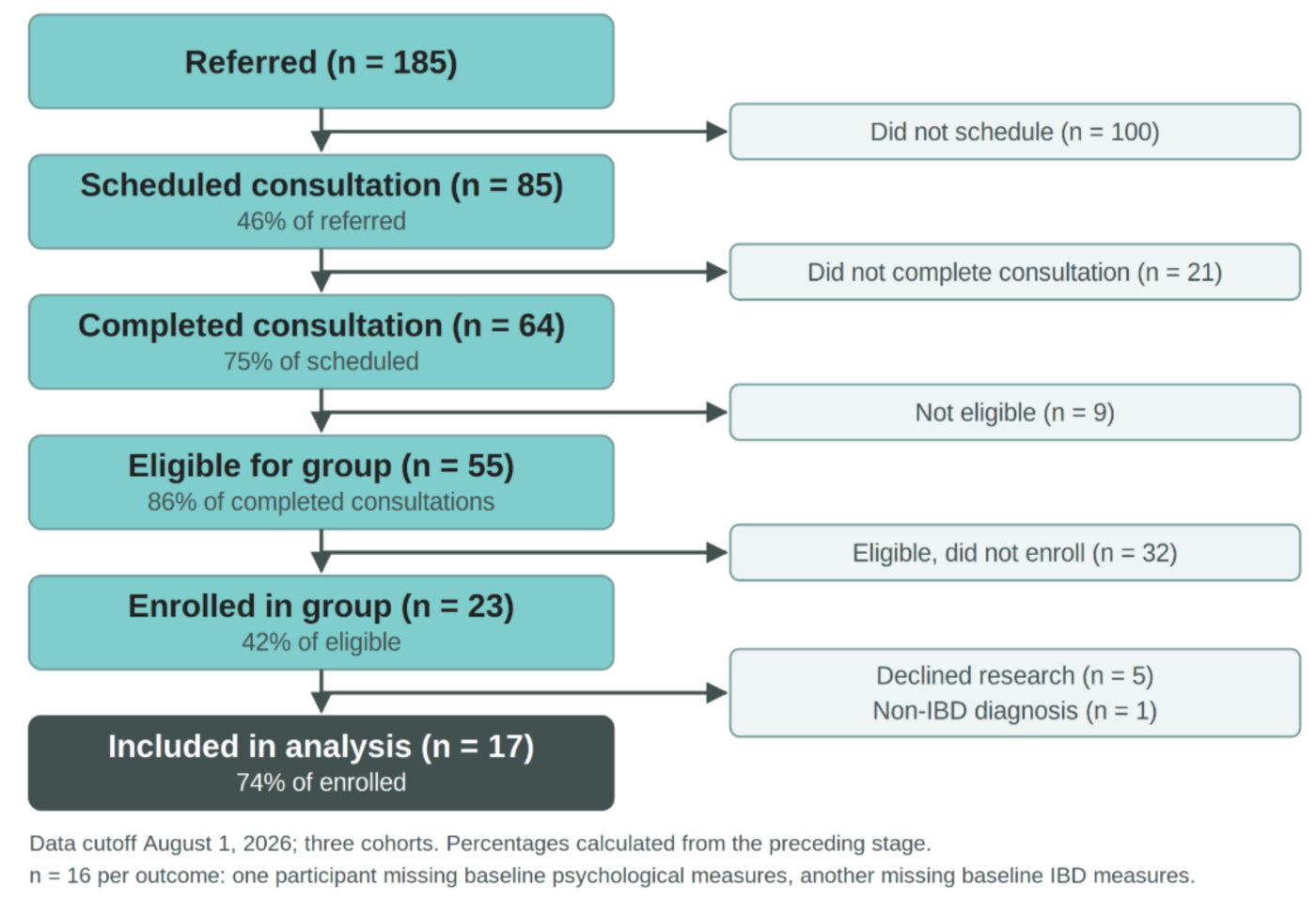
Figure 2. Recruitment Flow
Results
- Feasibility: Of 185 referrals, 23 (12%) enrolled, including 42% of eligible patients (Figure 2). Two cohort launches were postponed due to insufficient registration.
- Acceptability: Participants attended 93% of sessions, 100% completed week-8 measures, and satisfaction was high (CSQ-4 M = 13.9/16).
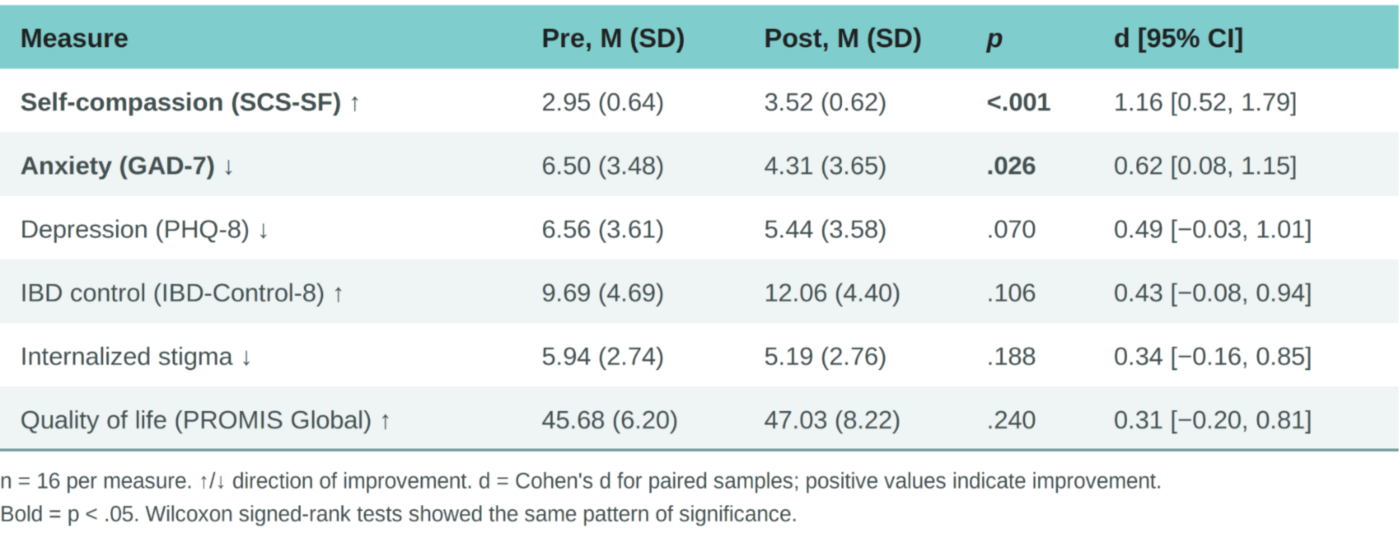
- Outcomes: All outcomes improved in the expected direction (Table 2). Self-compassion (d = 1.16) and anxiety (d = 0.62) improved significantly. Other outcomes showed small-to-moderate, non-significant gains (d = 0.31–0.49), consistent with a pilot not powered for efficacy. The share of participants in the well-controlled IBD range rose from 31% to 56%.
Table 2. Outcomes
References
- Barberio, B., Zamani, M., Black, C. J., Savarino, E. V., & Ford, A. C. (2021). Prevalence of symptoms of anxiety and depression in patients with inflammatory bowel disease: A systematic review and meta-analysis. The Lancet Gastroenterology & Hepatology, 6(5), 359–370.
- Taft, T. H., Quinton, S., Jedel, S., Simons, M., Mutlu, E. A., & Hanauer, S. B. (2022). Posttraumatic stress in patients with inflammatory bowel disease: Prevalence and relationships to patient-reported outcomes. Inflammatory Bowel Diseases, 28(5), 710–719.
- Halpin, S. J., & Ford, A. C. (2012). Prevalence of symptoms meeting criteria for irritable bowel syndrome in inflammatory bowel disease: Systematic review and meta-analysis. The American Journal of Gastroenterology, 107(10), 1474–1482.
- Gracie, D. J., Hamlin, P. J., & Ford, A. C. (2018). Longitudinal impact of IBS-type symptoms on disease activity, healthcare utilization, psychological health, and quality of life in inflammatory bowel disease. The American Journal of Gastroenterology, 113(5), 702–712.
- Paulides, E., Boukema, I., van der Woude, C. J., & de Boer, N. K. H. (2021). The effect of psychotherapy on quality of life in IBD patients: A systematic review. Inflammatory Bowel Diseases, 27(5), 711–724.
- Keefer, L., Taft, T. H., Kiebles, J. L., Martinovich, Z., Barrett, T. A., & Palsson, O. S. (2013). Gut-directed hypnotherapy significantly augments clinical remission in quiescent ulcerative colitis. Alimentary Pharmacology & Therapeutics, 38(7), 761–771.
- Ehrlich, O., Harkins-Schwarz, M., Brunskill, S., Clusen, N., Sun, X., & Moise, C. (2023). Survey data on healthcare access for patients with inflammatory bowel disease in the United States: A survey by the Crohn’s & Colitis Foundation [Unpublished data file]. Crohn’s & Colitis Foundation.
- Wang, H., Ding, J., Liu, G., Sun, G., Zhang, X., Xiao, W., Cai, Y., & Lin, A. (2025). Efficacy of different psychological interventions for the treatment of inflammatory bowel disease: A systematic review and network meta-analysis. Frontiers in Medicine, 12, Article 1630034.