We’ve created a library of Dot Phrases for your EHR to make it easier for you to refer patients to GI Psychology. These ready-to-use phrases can be copy-pasted directly into your EHR to save time while ensuring your patients receive clear, consistent information about our services.
Each section below contains suggested language tailored for different situations—whether you’re introducing GI Psychology for the first time, sharing language about common GI conditions, or directing patients to our specialty programs and groups.
If you need help customizing our Dot Phrases for your practice, please contact us at outreach@gipsychology.com.
General
GI Psychology General Referral
.GIPSYCHREFER

How can a GI psychologist help with my gut problem?
Who We Are
GI Psychology is a group practice whose behavioral health clinicians are experts in effective treatments for Gastrointestinal (GI) disorders. We specialize in treating GI disorders, chronic pain and other medically complicated conditions. Sessions are conducted via Telehealth and patients can be seen in all 50 states!
Ages Treated:
- Children
- Adolescents
- Adults
Scientifically Validated Treatment Approaches:
- Cognitive Behavioral Therapy for GI (GI-CBT)
- Gut-Directed Clinical Hypnosis
Our Approach
GI psychotherapists collaboratively work with the patient and other providers to assess the bio-psycho-social factors that are maintaining the GI distress. A targeted treatment plan is created that includes a combination of Cognitive Behavioral Therapy for GI (GI-CBT) for GI and gut-directed clinical hypnosis.
The Brain-Gut Connection
There are many names for the interaction between the mind and the GI system – Brain-Gut therapy, Psychogastroenterology, GastroPsych, and Neurogastroenterology. Each of these focuses on the same thing – the bidirectional relationship between the brain and gut (Brain-Gut Axis).
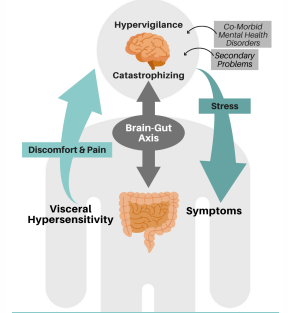
Our current understanding is that many GI disorders involve a miscommunication between the brain and the GI system. The brain sends stress and anxiety down into the GI system, and the GI system then creates symptoms (bloating, pain, nausea, and bowel issues) and becomes overly sensitized. This creates a vicious cycle as shown in the diagram above.
Irritable Bowel Syndrome (IBS) is a group of physical health conditions known as Disorders of the Gut-Brain Interaction (DGBI). DGBIs are very common and can have a major impact on quality of life if not addressed. Our team of clinical experts are trained to facilitate relief in patients experiencing GI disorders!
Contact Us
Ready to get started? Not sure if this treatment is right for you? Either way, contact us! We offer a free, 15-minute phone consultation to learn more about your concerns and to provide additional information about the effective treatments offered at GI Psychology!
GI Psychology
www.GIpsychology.com
www.gipsychology.com/newpatients/
703-910-2577
admin@GIpsychology.com
Group Offerings
GI Psychology GI Skills Workshop
.SKILLSGRPGIPSYCH
Finding Relief and Resilience: The GI Skills Workshop at GI Psychology
Living with a gastrointestinal (GI) condition often means managing more than physical symptoms—it can affect your emotions, daily functioning, and sense of control. That’s why GI Psychology created the GI Skills Workshop—a safe, supportive space for adults to learn how the brain and gut communicate, and how this connection can be harnessed for healing.
What Is the GI Skills Workshop?
The GI Skills Workshop is a 4-week, virtual group workshop designed for adults (ages 18 and up) living with chronic GI conditions such as IBD, IBS, and disorders of gut-brain interaction (DGBIs). Each live, interactive session is led by a licensed gut-brain therapist who specializes in helping patients manage both the physical and emotional challenges of GI health.
What Will I Learn?
Participants will:
- Gain a deeper understanding of the gut-brain connection.
- Learn foundational psychological and behavioral coping skills for GI disorders.
- Engage in weekly experiential exercises.
- Receive a workbook and audio recordings of each skill to support long-term use and continued progress.
The skills are practical, empowering, and research-informed—designed to help you feel more in control and less overwhelmed by symptoms.
What Can I Expect?
Patients often report significant benefits, including:
- Reduced GI symptom severity (like bloating, pain, or urgency)
- Decreased emotional distress
- Improved daily functioning and confidence
- Increased motivation to explore other gut-brain treatments such as CBT for GI or gut-directed hypnotherapy.
And because the workshop is virtual and live, you can participate from the comfort of your home while engaging directly with a small, supportive community.
Take the First Step Toward Feeling Better
The GI Skills Workshop is more than a class—it’s a chance to feel seen, supported, and equipped with tools that make a real difference. To learn more or register, visit www.GIPsychology.com/groups, contact us at admin@gipsychology.com, use the QR code below, or explore our library of free resources at www.GIPsychology.com/resources.

You don’t have to do this alone—healing starts with support.
GI Psychology
www.GIpsychology.com
www.gipsychology.com/groups
703-910-2577
admin@GIpsychology.com
GI Psychology IBD Psychotherapy Group Referral
.IBDGROUPREFERGIPSYCH
Psychotherapy Group for Comprehensive IBD Management
Living with Inflammatory Bowel Disease (IBD)—including Crohn’s Disease and Ulcerative Colitis—can be exhausting, unpredictable, and isolating. But you don’t have to face it alone. At GI Psychology, we partnered with the Crohn’s and Colitis Foundation and the American College of Gastroenterology to offer a virtual IBD Psychotherapy Group designed to give adults (18+) the tools, support, and evidence-based care they need to manage the mental and emotional challenges of IBD. This group is grounded in science and led by licensed experts in gut-brain health.
What Is the IBD Psychotherapy Group?
Our group is an 8-week, therapist-led virtual group for adults living with IBD. It was created for people who want additional tools for symptom management, improved quality of life, relief from anxiety and flare-related stress, and connection with what they value most. Whether you’re newly diagnosed or have been navigating IBD for years, this space offers the skills, science, and connection that help healing happen.
Group Logistics
- Format: 75-minute telehealth sessions, once per week for 8 weeks
- Treatment Approaches: Clinical Hypnosis and CBT for GI
- Focus: stress and symptom management, emotional coping, and gut-brain health
- Group Facilitators: licensed psychologists at GI Psychology who specialize in gut-brain behavioral health and have extensive experience supporting the IBD community
- Start Date: admission is rolling and more groups are being added regularly
- Location: open to participants nationwide via secure telehealth
Why Behavioral Health Matters in IBD
Research shows that people with IBD are more likely to experience anxiety, depression, and even PTSD symptoms related to surgeries, flares, and uncertainty. These emotional factors can intensify physical symptoms through the gut-brain connection, a powerful two-way communication system between the brain and GI tract. When we treat both the inflammation in the gut and the emotional strain that comes with it, real healing becomes possible.
A Community of Support
This group creates a supportive space where participants connect with others who understand what it means to live with Crohn’s or UC. Along the way, patients report meaningful improvements in coping, confidence, and even symptom severity. As one participant shared in a previous GIP group, “I finally feel like I have more control—and that my body is not the enemy.”
Contact Us
If you’re 18 or older and living with IBD, this group may be a powerful next step in your healing journey. Use this link to fill out an interest form and schedule your free, 30-minute consultation: https://www.gipsychology.com/ibdgroup/
GI Psychology
www.GIpsychology.com
703-910-2577
admin@GIpsychology.com
GI Psychology Constipation & Encopresis Management Workshop Referral for Caregivers
.ENCOPRESISCAREGIVERWORKSHOPREFERGIPSYCH
Constipation and Encopresis Management Workshop for Caregivers
Caring for a child with chronic constipation or encopresis can be stressful, confusing, and emotionally draining for families. These conditions are rarely just “about poop”—they involve physiology, learning history, behavior, and the gut-brain connection. GI Psychology created the Constipation & Encopresis Management Workshop to give parents clear education, practical tools, and reassurance that their child’s symptoms are real, common, and treatable.
What is the Constipation & Encopresis Management Workshop?
- Length: 4 weekly, 60-minute virtual workshops
- Audience: Caregivers of children with functional constipation, stool withholding, and/or encopresis (children do not attend)
- Facilitator: a licensed gut-brain therapist with specialized training in pediatric gut-brain conditions
- Cost: $199
What Will Parents Learn?
Participants will:
- Gain a deeper understanding of the typical digestive process and the gut-brain connection.
- Learn behavioral strategies to improve toileting success
- Learn about fiber and dietary modifications to improve constipation and toileting
- Explore psychological and social factors that relate to constipation and encopresis
The skills are practical, empowering, and research-informed—designed to help you feel more in control and less overwhelmed by your child’s symptoms.
What Can Parents Expect?
- Greater confidence in understanding their child’s symptoms
- Reduced frustration and conflict around toileting
- Clear, practical strategies that complement medical treatment
- Improved follow-through with GI recommendations
Learn More
This Constipation and Encopresis Management Workshop is a chance for caregivers to feel seen, supported, and equipped with tools that make a real difference. To learn more or register, visit www.GIPsychology.com/groups, or use the QR code below.

”
You don’t have to do this alone—healing starts with support.
Explore our library of free resources at www.GIPsychology.com/resources.
GI Psychology
www.GIpsychology.com
703-910-2577
admin@GIpsychology.com
Condition Specific Referrals
GI Psychology Psycho-Ed for IBD
.IBDGIPSYCH / .IBD2GIPSYCH_PATIENT
IBD
Referral to GI Psychology for IBD Support
Inflammatory Bowel Disease (IBD) includes conditions like Crohn’s disease or ulcerative colitis. These chronic illnesses can be physically and emotionally challenging. In addition to medical treatment, many patients benefit from additional support in managing the stress, anxiety, and lifestyle impacts that often come with IBD.
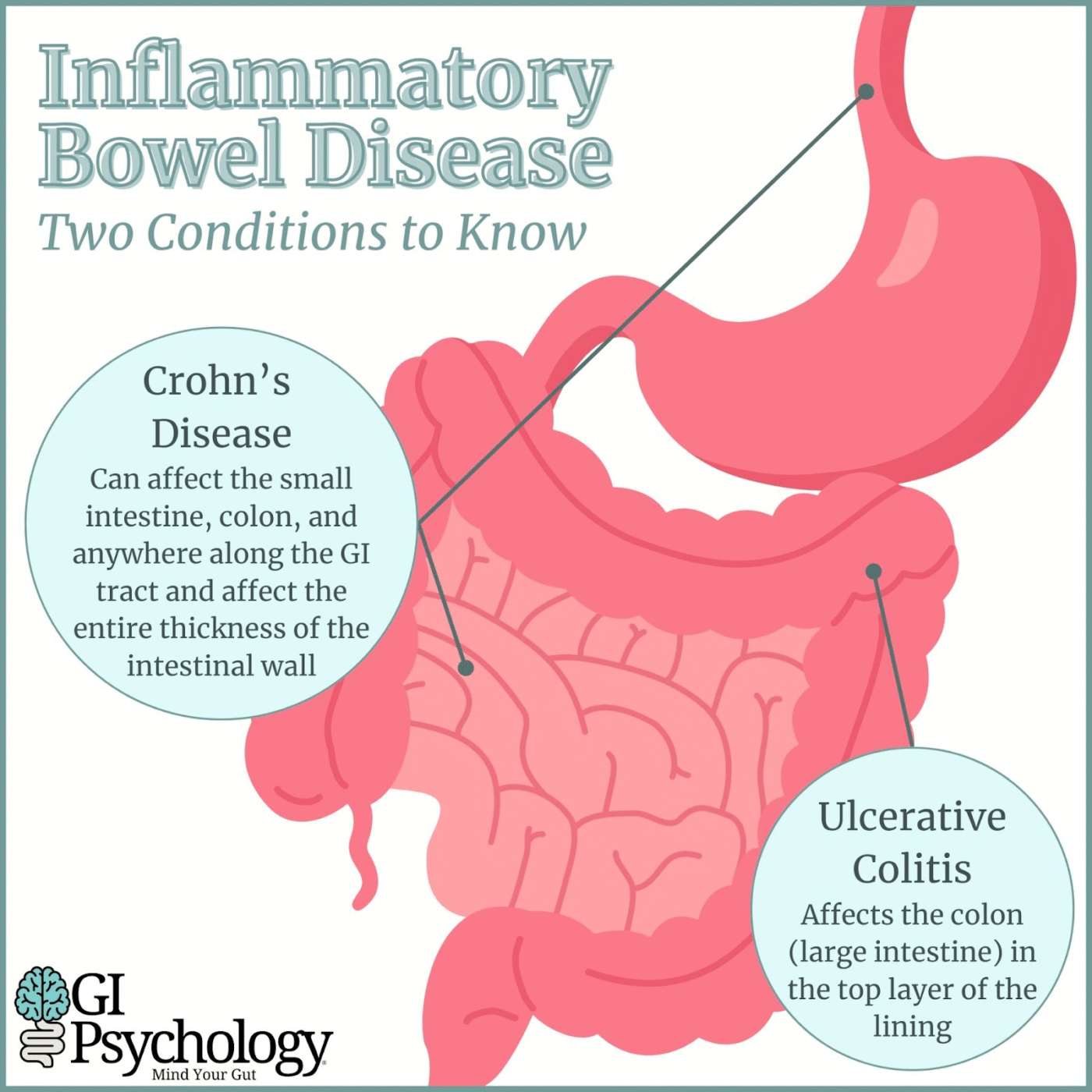
Your physician is referring you to GI Psychology, a group of behavioral health professionals who specialize in working with people who have GI conditions, including IBD. They use effective, evidence-based therapies like gut-focused Cognitive Behavioral Therapy (CBT) and gut-directed clinical hypnosis to help improve quality of life, support emotional health, and reduce stress-related symptom flares. These interventions can be helpful in several ways, including:

These sessions are conducted via telehealth, and they see patients in all 50 states. GI Psychology offers a free 15-minute phone consultation to answer your questions and help you decide if this support is right for you.
Mental and emotional health are a key part of managing chronic conditions like IBD. This referral is part of a comprehensive care plan to help you feel more in control, improve daily functioning, and support your long-term wellbeing.
GI Psychology
www.GIpsychology.com
www.gipsychology.com/newpatients/
703-910-2577
admin@GIpsychology.com
GI Psychology Psycho-Ed for IBS
.IBS2GIPSYCH_PATIENT
Referral to GI Psychology for IBS Support
You have been diagnosed with Irritable Bowel Syndrome (IBS), which is a common condition where the brain and digestive system aren’t communicating as well as they should. This can lead to symptoms like abdominal pain, bloating, constipation, and/or diarrhea. While medications and diet changes can be helpful, sometimes these symptoms persist and can really impact your day-to-day life.
IBS: A Disorder of Gut-Brain Interaction
Your physician is referring you to GI Psychology, a group of behavioral health professionals who specialize in treating people with GI conditions like IBS. They focus on the connection between the brain and the gut, and offer proven treatments such as Cognitive Behavioral Therapy for GI (GI-CBT) and gut-directed clinical hypnosis. These therapies can reduce symptoms by calming the gut, easing stress and anxiety, and helping you manage IBS in a more effective way.
GI Psychology works with people of all ages and provides care via telehealth, so you can meet with them from the comfort of your home—no matter where you live. They offer a free 15-minute phone consultation to answer your questions and help you decide if this approach is a good fit for you.
Many people with IBS find real relief through this type of care, especially when traditional treatments haven’t fully worked. Your treatment team encourages you to take this next step in your care—it’s part of a whole-person approach to helping you feel better.
GI Psychology
www.GIpsychology.com
www.gipsychology.com/newpatients/
703-910-2577
admin@GIpsychology.com
GI Psychology Psycho-Ed for Esophageal Disorders: Dysphagia
.DYSPHAGIA2GIPSYCH_PATIENT
Esophageal Disorders: Dysphagia
To support you in managing your functional dysphagia, your physician is referring you to GI Psychology, a team of behavioral health specialists who focus on the connection between the brain and the digestive system. This field — often called Psychogastroenterology — focuses on how stress, anxiety, and the nervous system can influence gut function and swallowing symptoms.
Even when physical exams and tests are normal, the muscles and nerves involved in swallowing can become hypersensitive or miscommunicate with the brain. This is part of what we call a Disorder of Gut-Brain Interaction (DGBI). GI Psychology offers targeted treatments to help break this cycle.
How They Can Help:
GI Psychology works alongside your existing care team and uses proven, science-based therapies to help manage symptoms, build coping skills, and improve your quality of life. Your treatment may include:
- Cognitive Behavioral Therapy for GI (GI-CBT) to address thought patterns that may be linked to physical sensations
- Esophageal-Directed Clinical Hypnosis to calm and retrain the brain-gut connection
Next Steps:
GI Psychology offers telehealth appointments and is licensed in all 50 states. You can schedule a free 15-minute phone consultation to learn more and see if it’s a good fit for you can contact us at:
GI Psychology
www.GIpsychology.com
www.gipsychology.com/newpatients/
703-910-2577
admin@GIpsychology.com
GI Psychology Psycho-Ed for Esophageal Disorders: Rumination
.RUMIN2GIPSYCH_PATIENT
Esophageal Disorders: Rumination
To support you in managing rumination syndrome, your physician is referring you to GI Psychology, a team of behavioral health specialists who focus on the connection between the brain and the digestive system. This approach — known as Psychogastroenterology — is especially effective for gut-brain conditions like rumination, where regurgitation happens reflexively and is not caused by a structural problem.
How This Can Help:
Rumination syndrome is often driven by involuntary patterns in the nervous system and muscle coordination between the stomach and the brain. GI Psychology offers targeted therapies that help retrain these responses and improve symptom control, including:
- Cognitive Behavioral Therapy for GI (GI-CBT) to shift patterns that trigger regurgitation
- Esophageal-Directed Clinical Hypnosis to reduce gut sensitivity and support relaxation and control
Next Steps:
GI Psychology offers care through telehealth in all 50 states, making it easy and accessible. They work closely with your existing providers to ensure comprehensive, team-based care.
You can schedule a free 15-minute phone consultation to learn more and see if it’s a good fit for you:
GI Psychology
www.GIpsychology.com
www.gipsychology.com/newpatients/
703-910-2577
admin@GIpsychology.com
GI Psychology Psycho-Ed for Functional Dyspepsia
.DYSPEPSIA2GIPSYCH_PATIENT
Referral to GI Psychology for Functional Dyspepsia Support
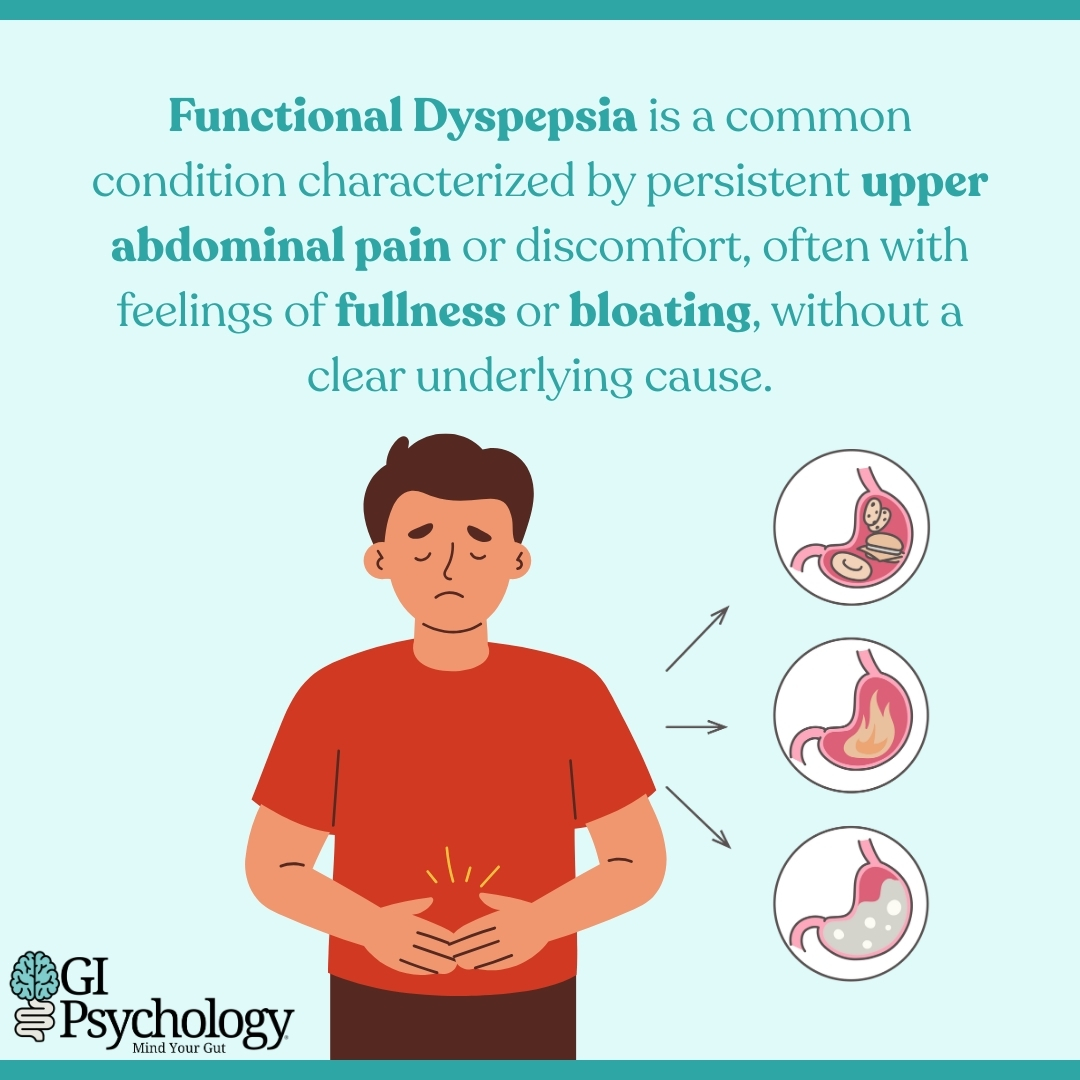
You’ve been experiencing symptoms consistent with functional dyspepsia—including upper abdominal discomfort, early fullness, bloating, or nausea. While tests often don’t show visible damage or disease, the symptoms are real, can be very disruptive, and are often linked to how the brain and gut communicate.

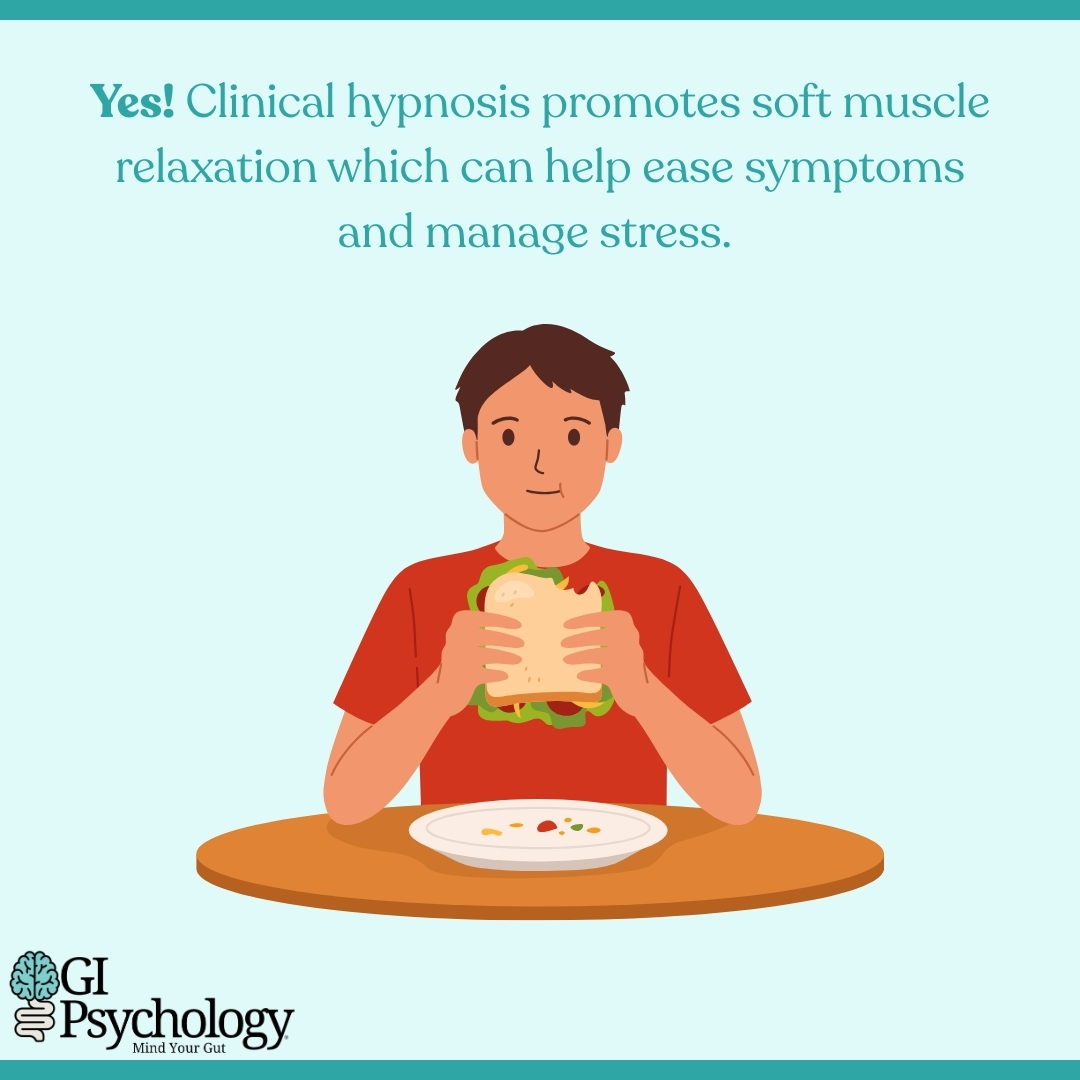
Your physician is referring you to GI Psychology, a team of behavioral health specialists who work with people managing GI conditions like yours. They focus on the connection between the brain and the digestive system, and offer proven treatments such as Cognitive Behavioral Therapy for GI (GI-CBT) and gut-directed clinical hypnosis. These therapies have been shown to reduce symptom severity, improve coping, and help the gut respond more calmly to stress.
Sessions are offered via telehealth, and patients can be seen from anywhere in the U.S. GI Psychology also offers a free 15-minute phone consultation so you can learn more and see if this approach feels like a good fit.
This referral is part of a whole-person approach to your care—addressing both physical and emotional aspects to help you feel better and regain control of your symptoms.
GI Psychology
www.GIpsychology.com
www.gipsychology.com/newpatients/
703-910-2577
admin@GIpsychology.com
GI Psychology Psycho-Ed for Pediatric GI Concerns: ARFID
.ARFIDGIPSYCH_PEDIATRIC
Referral to GI Psychology for ARFID Support
Your physician is referring your child to GI Psychology for help managing Avoidant/Restrictive Food Intake Disorder (ARFID). ARFID is a condition where children or adolescents avoid or restrict foods due to fears, sensory sensitivities, or past uncomfortable experiences with eating. It’s not related to concerns about weight or body image but can affect nutrition, growth, and overall well-being.
How This Referral Can Help Your Child:
GI Psychology specializes in the brain-gut connection and provides behavioral treatments designed to address the root causes of ARFID, including:
- Cognitive Behavioral Therapy for GI (GI-CBT): to reduce fears or anxieties around eating and introduce new foods gradually
- Gut-Directed Clinical Hypnosis: to help manage physical responses like gagging, nausea, or stress associated with meals
- A caring, team-based approach that complements feeding therapy, nutritional counseling, and medical care
Next Steps:
GI Psychology offers telehealth appointments, making it easy for your family to access expert care from home. They work closely with your child’s medical and nutrition providers to create a personalized plan to support your child’s progress.
They also offer a free 15-minute phone consultation to answer questions and help determine if this approach is right for your child:
GI Psychology
www.GIpsychology.com
www.gipsychology.com/newpatients/
703-910-2577
admin@GIpsychology.com
GI Psychology Psycho-Ed for Adult GI Concerns: ARFID
.ARFIDGIPSYCH_ADULT
Referral to GI Psychology for ARFID Support
Your physician is referring you to GI Psychology for support in managing Avoidant/Restrictive Food Intake Disorder (ARFID). ARFID is a condition that can involve a strong fear of eating, a lack of interest in food, or avoidance due to sensory sensitivities or past negative experiences with eating. While it’s not about body image or weight concerns, it can still have a major impact on nutrition, growth, and quality of life.
How This Referral Can Help:
GI Psychology is a team of behavioral health professionals who specialize in the brain-gut connection and food-related challenges. They use treatments designed to address the underlying patterns that drive ARFID, including:
- Cognitive Behavioral Therapy for GI (GI-CBT): to reduce fear-based or sensory-driven food avoidance
- Gut-Directed Clinical Hypnosis: to help regulate physical responses like gagging, nausea, or anxiety associated with eating
- A compassionate, team-based approach that can complement feeding therapy, nutritional care, and GI medical treatment
Next Steps:
GI Psychology sees patients via telehealth in all 50 states, which makes care accessible and flexible. They work in collaboration with medical and nutritional providers to develop a personalized plan based on your needs and goals.
You can schedule a free 15-minute phone consultation so you or your family can learn more about how GI Psychology can help.
GI Psychology
www.GIpsychology.com
www.gipsychology.com/newpatients/
703-910-2577
admin@GIpsychology.com
GI Psychology Psycho-Ed for Functional Abdominal Pain
.FAP2GIPSYCH_PATIENT
Referral to GI Psychology for Functional Abdominal Pain Support
Your physician is referring you to GI Psychology to help manage your ongoing functional abdominal pain. This type of pain is very real, but it often occurs without a clear structural cause. Instead, it can be related to how the brain and gut are communicating—a pattern we refer to as a Disorder of Gut-Brain Interaction (DGBI).
How This Referral Can Help:
Functional abdominal pain can become more intense or frequent when the nervous system becomes hypersensitive, often in response to stress, anxiety, or other factors. Over time, this creates a cycle that keeps the gut in a “high alert” state, even when nothing physically harmful is happening.
GI Psychology specializes in helping break that cycle using evidence-based tools, including:
- Cognitive Behavioral Therapy for GI (GI-CBT): to help you better understand and manage how thoughts, stress, and emotions may be affecting your physical symptoms
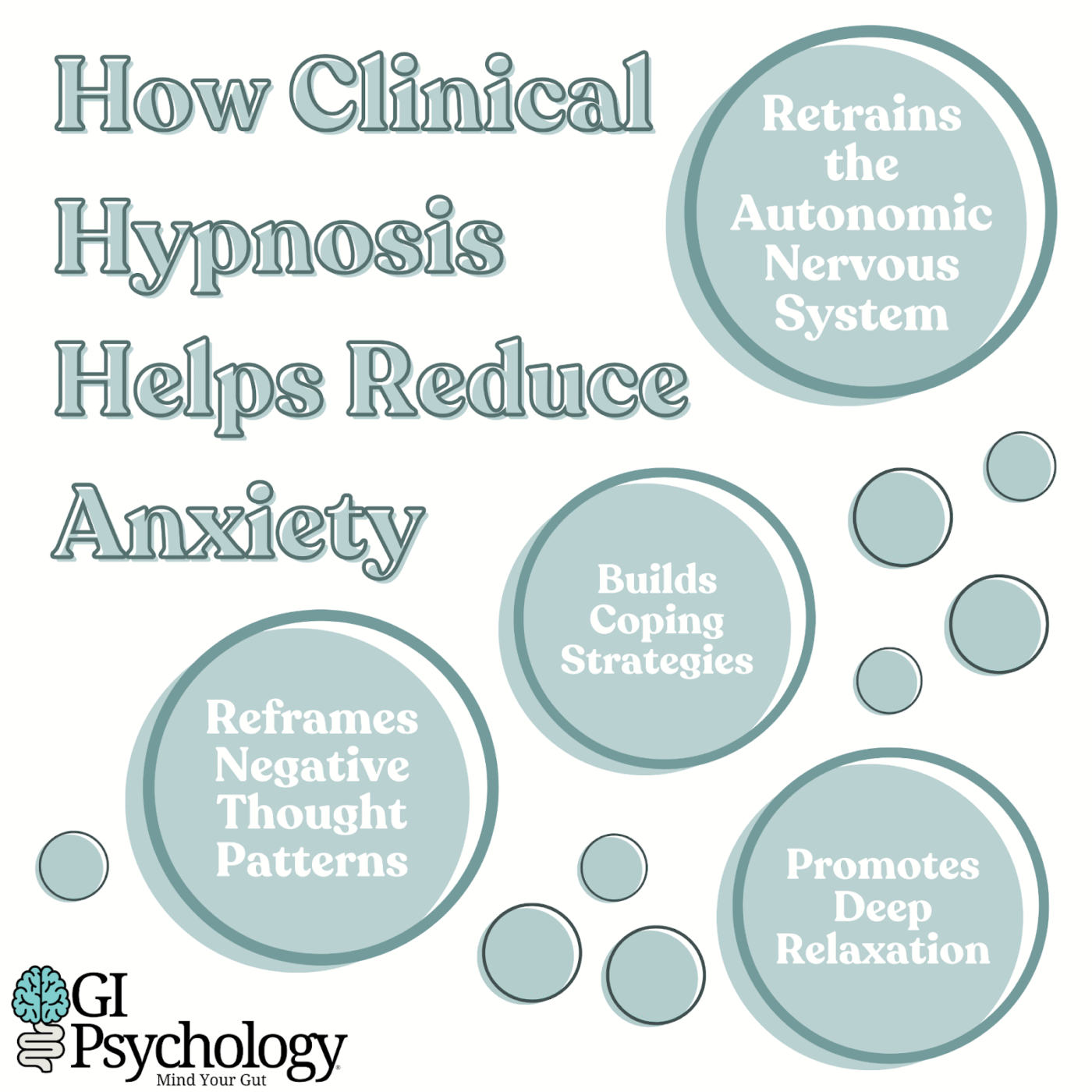
- Gut-Directed Clinical Hypnosis: to support brain-gut regulation and calm the nervous system
Next Steps:
GI Psychology offers telehealth appointments and sees patients in all 50 states. They work closely with your medical team to provide care that complements your GI treatment plan.
You can schedule a free 15-minute phone consultation to ask questions and see if this is the right next step for you:
GI Psychology
www.GIpsychology.com
www.gipsychology.com/newpatients/
703-910-2577
admin@GIpsychology.com
GI Psychology Psycho-Ed for MCAS & POTS
.MCASPOTSGIPSYCH_PATIENT
Behavioral Health Support for MCAS & POTS
Your physician is referring you to GI Psychology, a group of behavioral health professionals who specialize in working with people who have gastrointestinal and autonomic conditions, including Mast Cell Activation Syndrome (MCAS) and Postural Orthostatic Tachycardia Syndrome (POTS).
These conditions can involve symptoms such as fatigue, brain fog, GI distress, and migraine. At GI Psychology, our team uses evidence-based strategies—like Cognitive Behavioral Therapy for GI (CBT for GI), gut-directed clinical hypnosis, and mind-body regulation techniques—to help reduce symptom impact, improve resilience, and support daily functioning
Because mental and emotional health are a key part of managing chronic conditions, this referral is intended to be part of a comprehensive care plan—to help you feel more in control, improve your quality of life, and support your long-term wellbeing.
Next Steps:
GI Psychology offers telehealth appointments and sees patients in all 50 states. They work closely with your medical team to provide care that complements your GI treatment plan.
You can schedule a free 15-minute phone consultation to ask questions and see if this is the right next step for you:
:
GI Psychology
www.GIpsychology.com
www.gipsychology.com/newpatients/
703-910-2577
admin@GIpsychology.com
Internal Communications
GI Psychology Internal Communication Referral
.GIPSYCHREFERRAL
I have discussed with the patient a referral to GI Psychology.
Please complete online referral for GI Psychology referral for the patient Warm Handoff and Referrals to GI Psychology | GI Psychology
Indication for referral: ***
Please send a copy of last OV note to ######