
Explaining evidence-based mental health treatments like GI-CBT and gut-directed clinical hypnosis for pediatric GI symptoms
Written by Dr. Antonia Repollet
Licensed Clinical Psychologist
Certified School Psychologist
GI Psychology
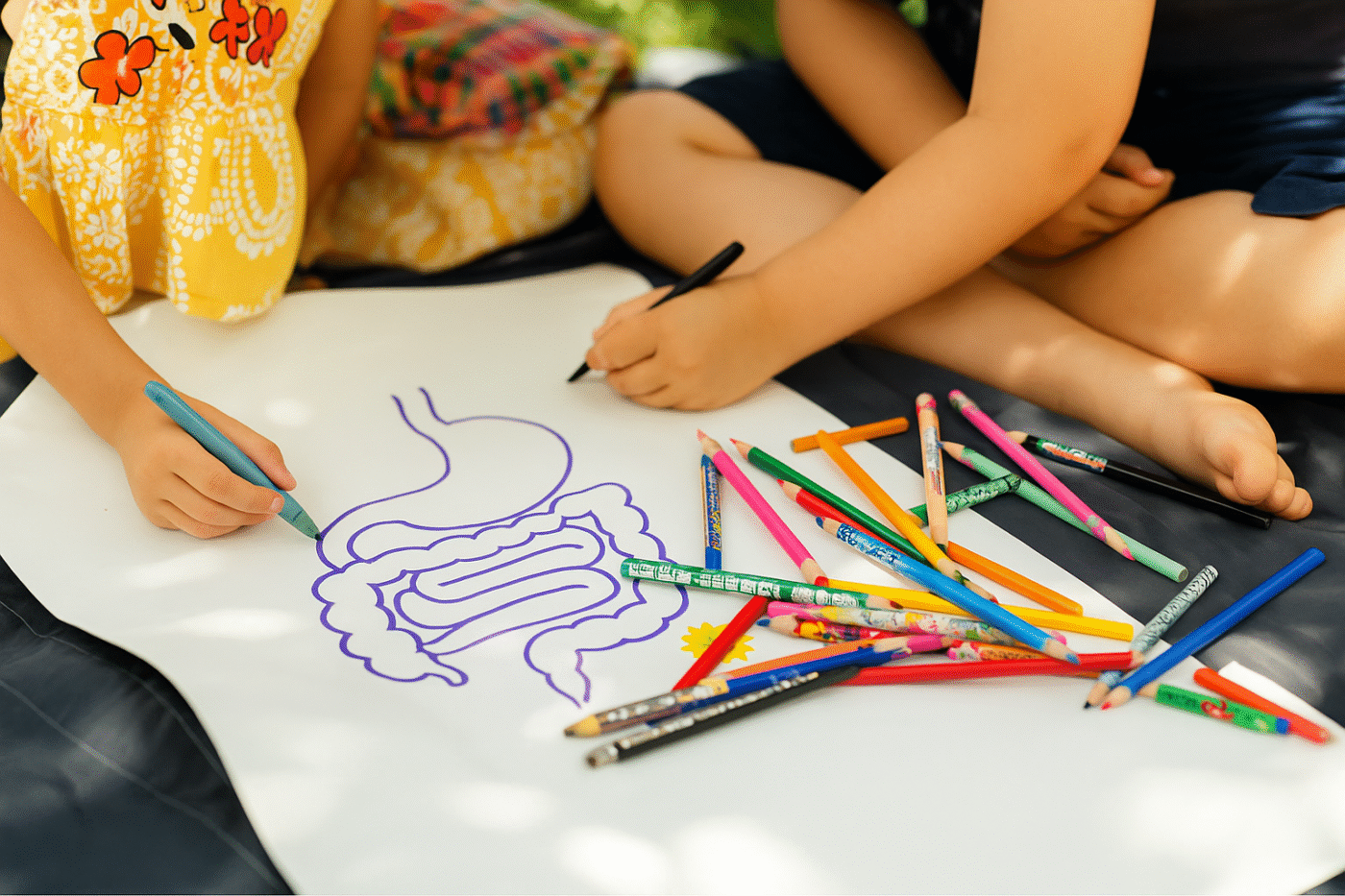
If your child experiences frequent stomachaches, nausea, or bathroom troubles—and medical tests have come back “normal”—you’re not alone. Millions of children live with disorders of gut-brain interaction (DGBIs), such as irritable bowel syndrome (IBS), functional abdominal pain, or functional dyspepsia. These conditions are very real, and they are now understood to involve communication problems between the brain and gut, not structural damage or disease.
Thankfully, research shows that certain psychological treatments—called gut-directed therapies—can help kids feel better, regain confidence, and get back to doing what they love.
Here’s what parents need to know:
DGBIs are conditions where GI symptoms like pain, nausea, constipation, or urgency occur without identifiable inflammation, infection, or abnormal lab tests. They are now understood as disorders of gut-brain dysregulation, where the signals between the nervous system and digestive tract become overly sensitive or disrupted.
Common DGBIs in children include:
- Irritable Bowel Syndrome (IBS)
- Functional Abdominal Pain
- Functional Dyspepsia
- Functional Constipation
- Rumination Syndrome
These are not “all in the head”—they involve real distress, and they are not caused by stress alone. But stress can amplify symptoms, and kids often get stuck in a cycle of pain, fear, and avoidance.
How Can Mental Health Treatment Help?
The gut and brain are deeply connected through the gut-brain axis, which includes the vagus nerve, hormones, and immune signals. That’s why emotional health and GI symptoms are closely linked.
Gut-directed mental health care targets this connection—calming the nervous system, changing unhelpful thought patterns, and teaching kids tools to reduce pain and regain control. These approaches are present-focused and skills-based, helping children learn how to regulate the gut-brain connection and feel more in control of their bodies.
Two of the most effective approaches for children and teens are:
1. Cognitive Behavioral Therapy for GI (CBT for GI)
CBT is a structured, short-term therapy that helps kids identify unhelpful thoughts and behaviors—and replace them with more flexible, calming strategies. When tailored for GI conditions, CBT helps with:
- Reducing pain catastrophizing and symptom-related fear.
- Increasing confidence with eating, school, and public activities.
- Building coping skills for managing symptoms like nausea, urgency, or fatigue.
- Addressing avoidant behavior (e.g., missing school, skipping meals).
In fact, pediatric CBT for GI has been extensively researched. Studies show it can significantly improve symptoms and functioning—often in as few as 6 to 10 sessions (Levy et al., 2010).
2. Gut-Directed Clinical Hypnosis
Gut-directed clinical hypnosis is a powerful tool that uses guided imagery, focused attention, and relaxation to calm the gut and reduce symptoms. It’s not like stage hypnosis—kids remain in control the whole time. Sessions often include stories or imagery involving favorite places, animals, or hobbies, making it especially engaging for younger kids.
Research shows that gut-directed hypnosis:
- Can reduce abdominal pain and other GI symptoms in children with IBS or functional pain (van Tilburg et al., 2009; Vlieger et al., 2007).
- Is safe, well-tolerated, and often enjoyable.
- Helps retrain the nervous system and support self-regulation.
Hypnosis also pairs well with other therapies (like CBT for GI), and kids can learn to use their recorded sessions or mental imagery at home—giving them tools they can use long-term.
When to Consider Gut-Directed Therapy
If your child has:
- Recurring GI symptoms with no clear medical explanation
- High anxiety or fear about food, school, or bathroom access
- Missed school or activities due to stomach issues
- Pain or discomfort that doesn’t improve with medication or diet alone
…it may be time to consider adding a gut-brain approach. These therapies work best when integrated into your child’s care team—alongside your pediatrician or gastroenterologist.
Finding the Right Provider
Look for a licensed psychologist or therapist who:
- Offers age-appropriate, collaborative care
- Specializes in GI or pain-related conditions
- Uses CBT for GI, clinical hypnosis, and other evidence-based strategies
- Collaborates with your child’s medical team
Final Thoughts
Watching your child struggle with GI symptoms can feel overwhelming—but there is hope. Gut-directed therapies like CBT for GI and clinical hypnosis help kids retrain the brain-gut connection, reduce symptoms, and return to normal life. These aren’t just mental health treatments—they’re tools to help the whole body heal.
If you’re curious about whether this kind of care might help your child, connect with us or check out our groups and workshops! You don’t have to navigate this alone.
References
Levy, R. L., Langer, S. L., Walker, L. S., Romano, J. M., Christie, D. L., Youssef, N., DuPen, M. M., Feld, A. D., Ballard, S. A., Welsh, E. M., Jeffery, R. W., Young, M., Coffey, M. J., & Whitehead, W. E. (2010). Cognitive-behavioral therapy for children with functional abdominal pain and their parents decreases pain and other symptoms. The American journal of gastroenterology, 105(4), 946–956.
van Tilburg, M. A., Chitkara, D. K., Palsson, O. S., Turner, M., Blois-Martin, N., Ulshen, M., & Whitehead, W. E. (2009). Audio-recorded guided imagery treatment reduces functional abdominal pain in children: a pilot study. Pediatrics, 124(5), e890–e897.
Vlieger, A. M., Menko-Frankenhuis, C., Wolfkamp, S. C., Tromp, E., & Benninga, M. A. (2007). Hypnotherapy for children with functional abdominal pain or irritable bowel syndrome: a randomized controlled trial. Gastroenterology, 133(5), 1430–1436.
What is a disorder of gut-brain interaction (DGBI). Rome Foundation. (2022, October 27). https://theromefoundation.org/what-is-a-disorder-of-gut-brain-interaction-dgbi/