
How surgeries, scarring, weight changes, or dietary restrictions impact self-esteem
Written by Dr. Antonia Repollet
Licensed Clinical Psychologist
Certified School Psychologist
GI Psychology
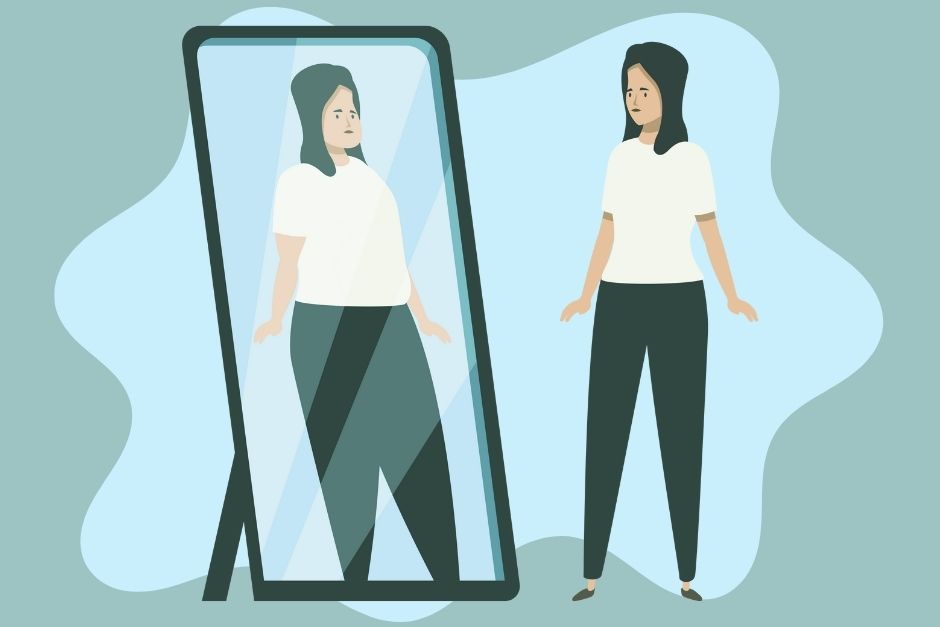
Living with Inflammatory Bowel Disease (IBD)—including Crohn’s disease and ulcerative colitis—often means navigating far more than digestive symptoms. For many, the physical changes and emotional toll of the condition can significantly affect body image and self-esteem. Scarring from surgeries, unpredictable weight changes, bloating, and dietary restrictions can lead to a complicated and sometimes painful relationship with one’s body.
While it’s common to focus on managing symptoms or achieving clinical remission, the psychological and emotional effects of IBD deserve just as much attention. A compassionate approach to body image is not a luxury—it’s a part of healing.
Surgical Scars and Body Acceptance
Surgical interventions are often necessary for managing IBD, from bowel resections to ostomy or ileostomy placements. These procedures can leave visible and permanent marks on the body, which may become daily reminders of illness. While these scars often symbolize survival, strength, and restored function, it’s also completely valid if they bring up complex emotions—sadness, grief, or even shame.
Research suggests that individuals with ostomies often report challenges with body image and intimacy, particularly in the early stages post-surgery (Lin et al., 2023). Over time, many patients adapt and even come to see their bodies with more compassion, but it takes support, self-education, and often peer connection to get there.
Weight Fluctuations and Medication Effects
IBD often leads to weight loss during flares due to inflammation, malabsorption, or decreased appetite. On the flip side, weight gain is common during treatment—especially with corticosteroids like prednisone, which can cause fluid retention and increased appetite. This cycle of gain and loss can feel out of one’s control, leaving patients frustrated or disconnected from their appearance.
What’s more, body image distress may persist even when the disease is medically stable. That’s because it’s not just about the physical symptoms—it’s also about how those symptoms disrupt a person’s relationship to their body over time.
Bloating, Urgency, and Unpredictability
Even during periods of remission, bloating, abdominal pain, and bathroom urgency can continue. These symptoms can cause embarrassment, reluctance to socialize, and even a desire to hide the body. For some, bloating can be painful and distorting enough to require changing outfits multiple times a day just to feel comfortable.
IBD-related fatigue and joint pain may also make it harder to exercise or engage in activities that previously supported a positive body image. It’s not just about appearance—it’s about what your body feels capable of.
Dietary Restrictions and Food-Related Identity Loss
When living with IBD, food becomes more than just nutrition or enjoyment—it becomes a safety issue. Some patients must eliminate entire food groups or avoid common ingredients to manage symptoms or prevent flares. While these changes are necessary for health, they can also feel isolating, especially in cultures where food is tied to tradition, family, and celebration.
Social events, holidays, and even date nights can become sources of anxiety instead of pleasure. The psychological toll of always being the one with the “special” diet or having to explain why you can’t eat something can wear down self-confidence and create feelings of otherness.
In one study, many IBD patients reported feeling a loss of identity and social inclusion due to dietary changes (Palamenghi et al., 2022). That sense of disconnection can impact body image by reinforcing the idea that one’s body is “different” or “broken.
Mental Health, Self-Esteem, and the Body
The connection between body image and mental health is especially important in the IBD community. Anxiety and depression rates are significantly higher among individuals with IBD compared to the general population (Mikocka-Walus et al., 2016). When the body feels like a source of pain, unpredictability, or shame, it can become harder to feel self-worth.
This is why body image support should be integrated into IBD care—not treated as an afterthought.
What Can Help: A Compassionate Approach to Body Image
Healing body image in IBD doesn’t mean learning to love every part of your body—it means building a relationship with it that is rooted in compassion, respect, and acceptance. Here are a few ways to begin:
1. Reframe Your Story
Your body has endured a great deal—and kept going. Try writing a letter to your body, acknowledging both your frustrations and your gratitude. Honoring your body’s efforts can be a first step toward shifting the inner dialogue.
2. Connect with Others
Knowing that others are walking a similar path can be incredibly healing. Support groups, forums, or social media communities can help normalize what you’re going through.
3. Consider Therapy
Working with a psychologist—especially one who understands chronic illness—can help address distorted body image, perfectionism, grief, or social anxiety. Therapies such as gut-directed hypnotherapy, CBT for GI (Cognitive Behavioral Therapy), and ACT (Acceptance and Commitment Therapy) can be particularly helpful.
4. Dress for Your “Now-Body”
Choose clothes that feel good today—not the ones that “used to fit.” Comfort and confidence go hand in hand, and you don’t have to wait for your body to change to deserve either.
5. Practice Self-Compassion
You are not “too much.” You are not “too fragile.” You are a person adapting to extraordinary circumstances. Speak to yourself the way you would speak to a friend who was struggling. With kindness. With patience. With love.
Final Thoughts
Living with IBD means navigating a body that doesn’t always behave predictably. And yet, you continue to show up. You continue to adapt. That is no small thing.
Your scars, your softness, your strength—they are all part of a story still unfolding. And no matter what your body looks like or feels like today, you are worthy of care, respect, and dignity.
Looking for Support?
If you or a loved one is navigating the emotional impact of IBD—including body image, food fears, or anxiety around symptoms—we’re here to help. Our practice specializes in the gut-brain connection and offers compassionate, integrative care for children, teens, and adults with chronic GI conditions like IBD.
Schedule a free 15-minute consultation with us or enroll in our IBD Psychotherapy Group to explore how therapy, clinical hypnosis, and mind-body strategies can support your journey toward healing and self-compassion.
References
Lin, S., Yin, G., & Chen, L. (2023). The sexuality experience of stoma patients: A meta-ethnography of qualitative research. BMC Health Services Research, 23(1).
Mikocka-Walus, A., Knowles, S. R., Keefer, L., & Graff, L. (2016). Controversies Revisited: A Systematic Review of the Comorbidity of Depression and Anxiety with Inflammatory Bowel Diseases. Inflammatory bowel diseases, 22(3), 752–762.
Palamenghi, L., Figliuc, P., Leone, S., & Graffigna, G. (2022). Food and inflammatory bowel diseases: A scoping review on the impact of food on patients’ psychosocial quality of life. Health & Social Care in the Community, 30(5), 1695–1712.