
What no one tells you about the emotional impact of surgery—and how to get support
Written by Anna Katherine Black, PhD
Licensed Clinical Psychologist
GI Psychology
Surgery for Crohn’s disease or ulcerative colitis is sometimes a lifesaving necessity. But what happens after the operating room? While most patients are prepared for physical recovery, far fewer are warned about the emotional impact of a resection, ostomy, or other major IBD surgery.
Post-surgery mental health is just as important as wound healing and medication. For many patients, this is where questions like, “what is GI behavioral health?”start to come up—especially when recovery involves both emotional and physical healing. Whether you feel relief, grief, or something in between, those emotions deserve space and support. Let’s explore what no one tells you about the mind-body healing process—and how to get help if you’re struggling.
Why the Emotional Side of Surgery Is Often Overlooked
Surgeries for IBD can include:
- Bowel resections: removal of diseased segments of the intestine
- Colectomy: partial or total removal of the colon
- Ileostomy/Colostomy: rerouting of the bowel to an external pouch
- Anorectal procedures: abscess drainages and fistula repairs
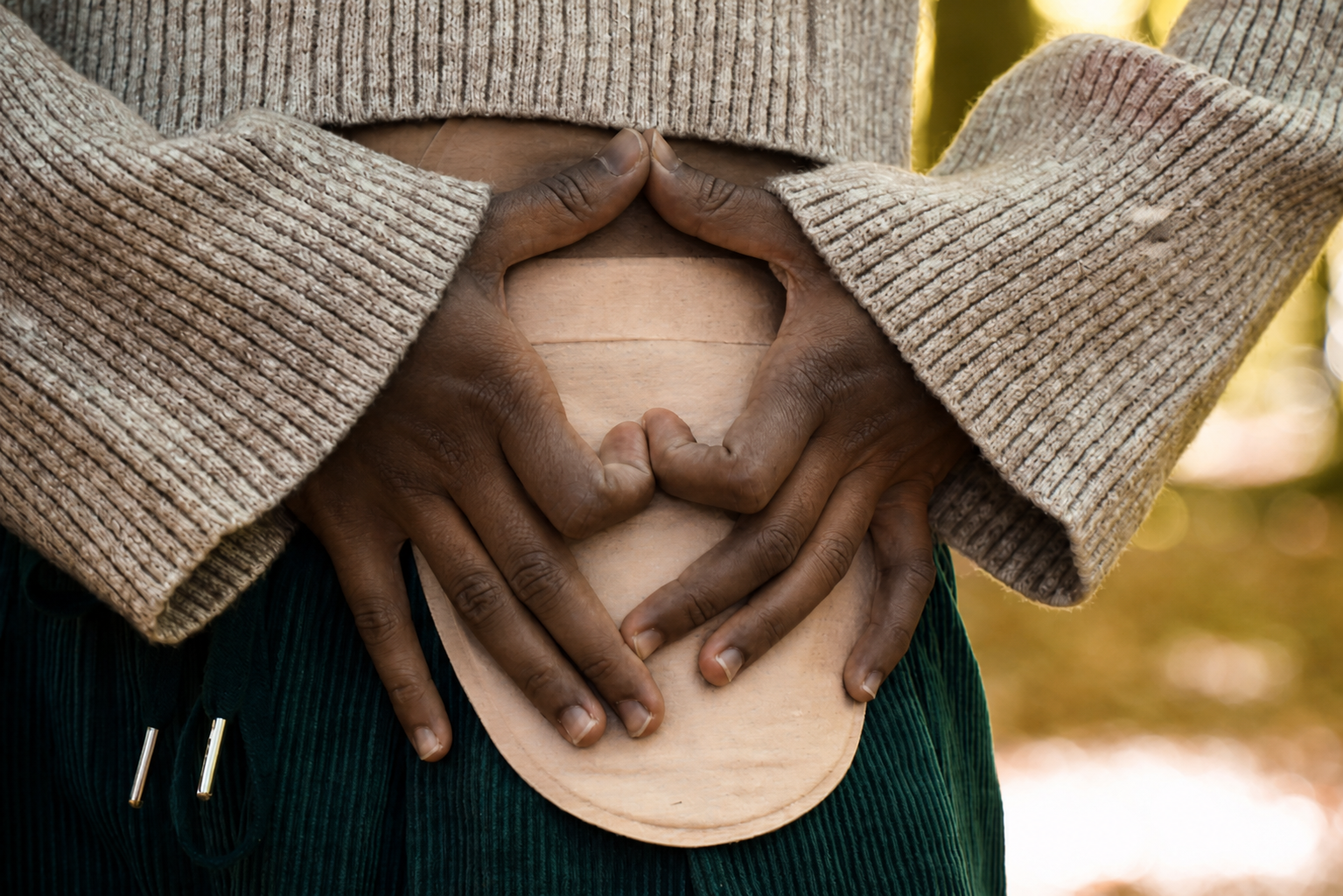
These procedures can be life-extending, but they also change how you experience your body, identity, and relationships. Some people feel empowered; others feel overwhelmed by loss, fear, or shame.
Many patients experience anxiety, depression, or distress after GI surgery, yet this is rarely part of the surgical prep conversation.
.
Common Emotional Responses After IBD Surgery
What you’re feeling is not “wrong.” It’s a normal response to a major life event.
You might feel:
- Grief for the body you used to have
- Fear of complications or recurrence
- Anger over the disruption of plans or lifestyle
- Shame around body image or intimacy
- Relief that the worst symptoms are finally over
This is why IBD and mental health need to be treated together. This kind of support is often part of disorder of gut-brain interaction treatment, which recognizes how closely the gut and nervous system are connected. Healing the body without caring for the mind leaves many patients feeling alone and confused.
How the Mind and Body Heal Together
Emotional recovery isn’t separate from physical healing—it influences it. Unprocessed stress or trauma can:
- Disrupt sleep and immune function
- Heighten pain perception
- Delay wound healing or increase fatigue
Patients with IBD who receive behavioral health support show improvements in quality of life, coping, and treatment adherence and may experience better overall recovery outcomes (Keefer et al., 2013).
Getting Support: What Works
You don’t need to tough it out. There are evidence-based, compassionate treatments to support your post-surgery journey.
Recommended Approaches:
- Cognitive Behavioral Therapy (CBT) helps reframe negative thought patterns, reduce fear, and promote adaptive coping.
- Clinical Hypnosis has been shown to improve quality of life and reduce symptom burden in patients with IBD (Keefer & Palsson, 2008).
- Group psychotherapy normalizes your experience, reduces isolation, and allows for emotional processing in a safe space.
Practical Tips:
- Give yourself permission to grieve, even if you’re “grateful”
- Practice self-compassion check-ins: place your hand on your heart, take a breath, and say, “This is hard, and I’m doing the best I can.”
- Talk about intimacy or body changes with a trusted provider
- Find digital support groups: ask your GI team for a mental health referral or use Crohn’s & Colitis Foundation tools to find a provider
Healing Isn’t Just Physical. You Deserve Full-Circle Care.
No one should have to navigate the emotional impact of IBD surgery alone. Whether you’re months out from your procedure or preparing for one soon, know that your feelings are valid. The journey to healing your whole self takes time, support, and a plan that sees your mind and body as equally important.
Part of this process includes learning how to calm a nervous digestive system, supporting both emotional recovery and physical healing over time.
You Don’t Have to Do This Alone: Consider an IBD Psychotherapy Group
For many patients, one of the hardest parts of recovery after surgery isn’t just the symptoms—it’s the feeling of being alone in the experience.
Connecting with others who truly understand can be incredibly powerful.
At GI Psychology, we offer a specialized IBD Psychotherapy Group designed specifically for individuals living with Crohn’s disease and ulcerative colitis. Many patients find that this shared space helps reduce isolation, normalize their experience, and reinforce the skills they’re already working so hard to build.
If you’re navigating recovery after surgery—or even preparing for one—it may be time to seek out support that addresses both the emotional and physical sides of healing.
References
Keefer, L., & Palsson, O. S. (2008). A preliminary study of gut-directed hypnotherapy for inflammatory bowel disease: Effects on quality of life and disease activity. International Journal of Clinical and Experimental Hypnosis, 56(2), 115–127.
Keefer, L., et al. (2013). The role of behavioral interventions in IBD management. Journal of Clinical Gastroenterology, 47(4), 306–312.