
Why GI symptoms are common in people with eating disorders—and what can help
Written by Anna Katherine Black, PhD
Licensed Clinical Psychologist
GI Psychology
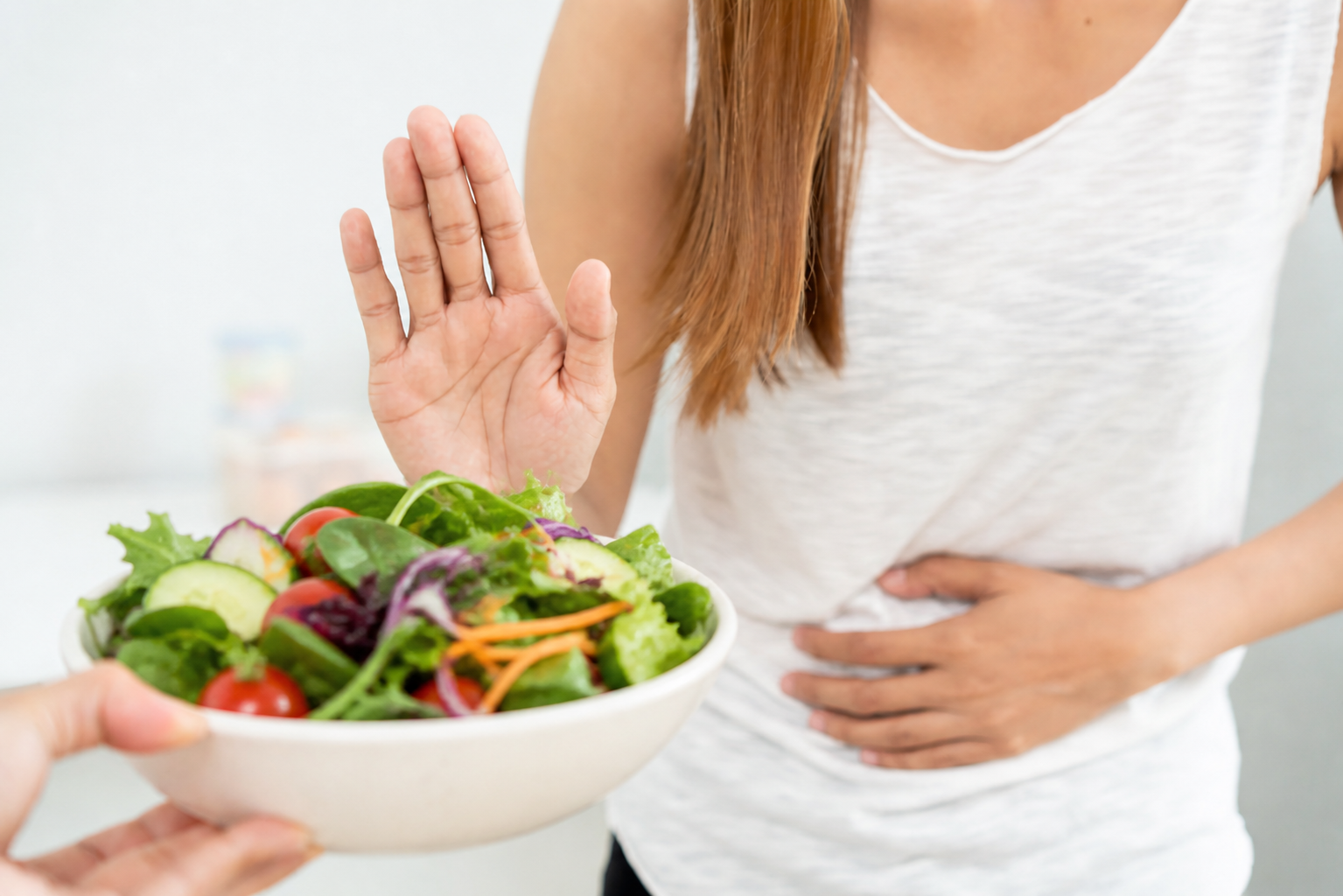
Understanding the Mind–Body Connection
If you’ve ever noticed your stomach tightening when you’re anxious or your appetite disappearing after a stressful moment, you’ve already experienced the gut–brain connection in action. The gut and brain are in constant communication through a complex network of nerves, hormones, and immune signals—commonly referred to as the gut–brain axis.
This bidirectional system plays a central role in both eating disorders and gastrointestinal (GI) conditions, particularly disorders of gut–brain interaction (DGBIs) such as irritable bowel syndrome (IBS), functional dyspepsia, and chronic nausea. Even after recovery from an eating disorder, many individuals continue to experience GI symptoms—not because something is “wrong,” but because the gut–brain interaction system remains sensitized and is still recalibrating.
How Eating Disorders Affect the Gut
Eating disorders—such as anorexia nervosa, bulimia nervosa, and avoidant/restrictive food intake disorder (ARFID)—can have lasting effects on digestion and gut sensitivity. Restrictive eating, purging, or extreme dietary changes can alter gut motility (how food moves through the digestive tract) and the balance of gut bacteria.
Over time, these changes may lead to:
- Constipation and bloating from slowed digestion
- Nausea or early fullness due to altered stomach emptying
- Abdominal pain and cramping from heightened gut sensitivity
- Food intolerance anxiety, where fear of symptoms reinforces restrictive eating
Patients with a history of eating disorders often report chronic GI symptoms even after weight restoration or nutritional rehabilitation. These symptoms are not “in their head”—they reflect a sensitized gut brain interaction system that continues to misread signals of stress or fullness.
When Gut Issues Lead to Disordered Eating
The connection also works in the opposite direction. Chronic GI discomfort can trigger food avoidance or rigid eating habits that resemble an eating disorder. For example:
- A teen with functional nausea starts skipping meals to avoid vomiting.
- An adult with IBS limits food groups after repeated flare-ups.
- A child with post-infectious GI pain becomes fearful of eating altogether.
Untreated GI symptoms can lead to significant anxiety and maladaptive coping behaviors, especially in those with inflammatory conditions or functional gastrointestinal disorders.
These patterns can evolve into avoidant/restrictive eating that worsens malnutrition and perpetuates both physical and emotional distress.
The Role of the Gut-Brain Connection
DGBIs such as IBS and functional dyspepsia are now understood as conditions involving disruptions in gut–brain interaction, including altered motility, visceral hypersensitivity, and central nervous system processing (Drossman & Hasler, 2016).
Stress, trauma, and anxiety can amplify gut sensations, making normal digestive processes feel painful or overwhelming. This helps explain why GI symptoms often persist even when structural disease is well managed—or absent.
This is why psychological treatments that target the gut-brain axis—including GI-focused cognitive behavioral therapy (GI-CBT) and clinical hypnosis—are increasingly supported in clinical guidelines and research. These approaches help the nervous system “retrain” its response to gut sensations, reduce symptom severity, and restore confidence around food (Keefer & Palsson, 2008; Barberio et al., 2021).
What Can Help
1. Integrated Care
A multidisciplinary team—including a gastroenterologist, dietitian, and gut-brain therapist—can address both physical and emotional contributors.
2. Gut-Brain–Based Therapies
Clinical hypnosis and GI-CBT have shown to reduce GI distress, improve quality of life, and lessen anxiety around eating (Keefer et al., 2013).
3. Gentle Nutrition
Working with a dietitian who understands both GI and eating disorder recovery can help you reintroduce foods safely and rebuild trust in your body.
4. Mindful Reconnection
Simple grounding practices—like deep breathing before meals or using guided imagery—can calm the gut-brain pathway and ease symptoms.
Key Takeaways
- Eating disorders and gut disorders often overlap through shared gut brain interaction.
- DGBIs like IBS and functional nausea are common even after recovery from an eating disorder.
- Restrictive eating patterns—including conditions like avoidant/restrictive food intake disorder—may develop when eating becomes associated with physical discomfort.
- Treating both the gut and the mind offers the best path to lasting relief.
- Evidence-based therapies—like GI-CBT and gut-directed clinical hypnosis—can help you feel safer in your body and more confident in your recovery.
If you’re struggling with gut symptoms or eating-related anxiety, it’s time to seek support. Explore our resources, schedule a free 15-minute phone consultation and learn how GI Psychology can help.
References
Barberio, B., Zamani, M., Black, C. J., & Ford, A. C. (2021). Prevalence of anxiety and depression in inflammatory bowel disease: Systematic review and meta-analysis. The Lancet Gastroenterology & Hepatology, 6(5), 359–370. https://doi.org/10.1016/S2468-1253(21)00014-5
Drossman, D. A., & Hasler, W. L. (2016). Rome IV—functional gastrointestinal disorders: Disorders of gut–brain interaction. Gastroenterology, 150(6), 1257–1261. https://doi.org/10.1053/j.gastro.2016.03.035
Gracie, D. J., & Ford, A. C. (2017). Functional gastrointestinal symptoms in inflammatory bowel disease: A clinical challenge. The Lancet Gastroenterology & Hepatology, 2(11), 784–794. https://doi.org/10.1016/S2468-1253(17)30330-5
Keefer, L., Keshavarzian, A., & Palsson, O. S. (2013). Gut-directed hypnotherapy significantly augments clinical remission in quiescent ulcerative colitis. Psychosomatic Medicine, 75(5), 433–438. https://doi.org/10.1097/PSY.0b013e31828a8c9b
Keefer, L., & Palsson, O. S. (2008). Hypnotherapy for gastrointestinal disorders: A review of efficacy and mechanism. American Journal of Clinical Hypnosis, 51(1), 27–39.
Norris, M. L., Harrison, M. E., Isserlin, L., Robinson, A., Feder, S., & Sampson, M. (2016). Gastrointestinal complications associated with eating disorders: A systematic review. International Journal of Eating Disorders, 49(3), 216–237. https://doi.org/10.1002/eat.22462